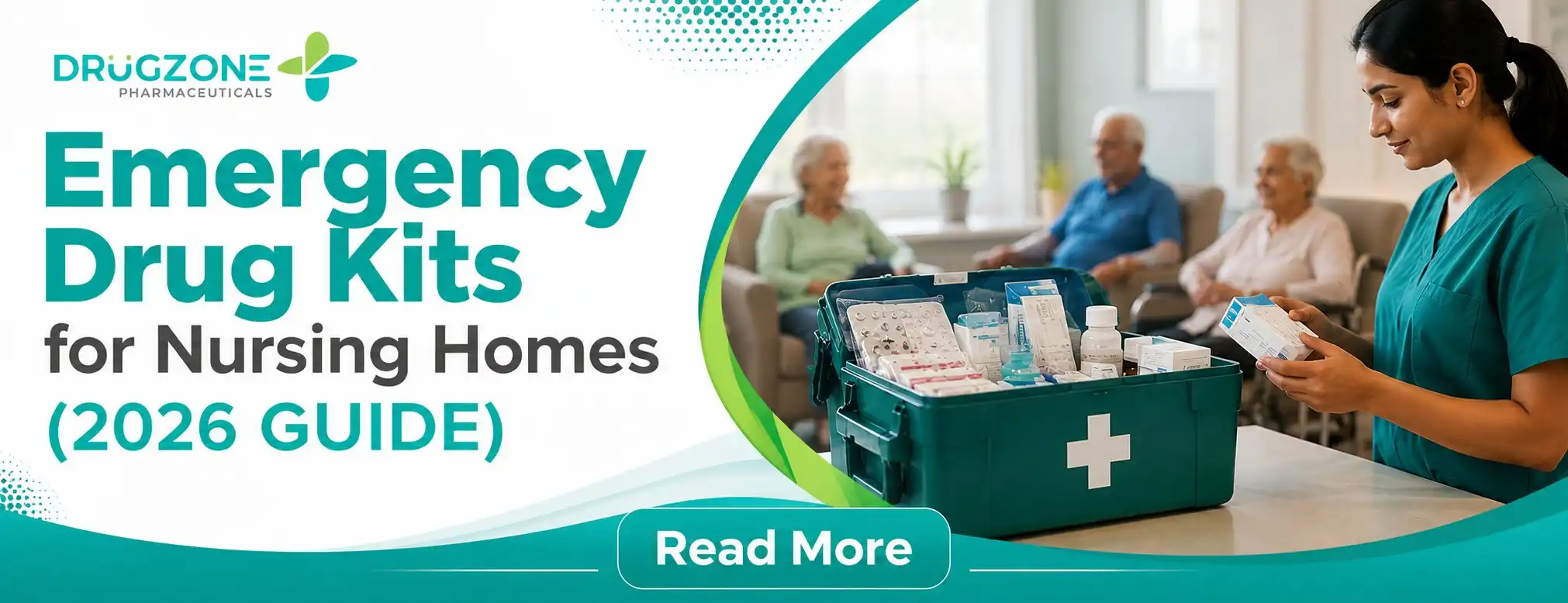
Posted On: July 20, 2026
Emergency drug supply kits for nursing homes: what distributors provide and what to stock
Nursing homes care for residents with complex medical needs, many of whom require immediate access to prescription medications. Medical emergencies can occur at any time, making it essential for facilities to maintain emergency drug supply kits that support timely treatment until a routine pharmacy delivery is available.
These kits are designed to provide healthcare professionals with rapid access to commonly needed medications for urgent clinical situations. They also help reduce treatment delays, support continuity of care, and improve operational readiness.
A well-managed emergency medication kit depends on thoughtful inventory planning, regulatory compliance, and dependable pharmaceutical distribution. Nursing homes typically work closely with long-term care pharmacies and distributors to ensure these kits remain appropriately stocked, properly stored, and regularly reviewed.
Understanding what distributors provide—and what nursing homes should include in their emergency medication supplies—helps administrators, nursing staff, and pharmacy partners maintain a high standard of resident care.
What Are Emergency Drug Supply Kits?
Emergency drug supply kits, sometimes referred to as emergency medication kits or stat boxes, are secured collections of medications kept on-site within a nursing home or long-term care facility. These medications are intended for immediate use when waiting for a scheduled pharmacy delivery could negatively affect patient care.
Unlike routine pharmacy inventory, emergency kits are carefully controlled and are typically accessed only under established clinical policies and applicable state regulations.
The contents of these kits vary depending on:
- State pharmacy regulations
- Facility size
- Resident population
- Medical director recommendations
- Pharmacy policies
- Common clinical conditions treated within the facility
Regular inspections help ensure medications remain within expiration dates and are available when needed.
Why Emergency Drug Supply Kits Matter
Residents in long-term care facilities often have multiple chronic conditions that can suddenly become acute.
Examples include:
- Severe allergic reactions
- Infections requiring immediate antibiotic therapy
- Acute pain episodes
- Respiratory distress
- Cardiac emergencies
- Seizure activity
- Diabetic emergencies
Having immediate access to essential medications allows healthcare providers to begin treatment while additional medications are obtained through the pharmacy.
Emergency kits also help:
- Reduce unnecessary treatment delays
- Improve continuity of care
- Support clinical decision-making
- Minimize avoidable hospital transfers in appropriate situations
- Increase operational preparedness
What Distributors Typically Provide
Distributors play an important role in supporting long-term care pharmacies and nursing homes by ensuring medications are consistently available through the pharmaceutical supply chain.
Depending on the service agreement, distributors may provide:
Medication Supply
Distributors maintain inventories of prescription medications that long-term care pharmacies use to replenish emergency kits.
Inventory Availability
Reliable inventory information helps pharmacies replace medications before shortages affect resident care.
Product Authentication
Medication authenticity and traceability remain critical priorities throughout pharmaceutical distribution. Distributors support compliance with federal supply chain requirements by maintaining documentation and sourcing products from authorized manufacturers.
Temperature-Controlled Distribution
Certain medications require specific storage conditions during transportation to maintain product quality.
Recall Management
If a medication recall occurs, distributors help pharmacies identify affected products and coordinate replacements.
Many nursing homes work with a pharma wholesaler that supports consistent inventory availability while helping pharmacy partners maintain regulatory compliance.
What Should Be Stocked in Emergency Drug Supply Kits?
Medication selection should always follow physician oversight, pharmacy recommendations, facility policies, and applicable regulations.
Although every facility is different, emergency kits commonly include medications within the following categories:
Emergency Antibiotics
Used when immediate treatment is clinically appropriate before routine medication delivery.
Cardiovascular Medications
Certain emergency cardiovascular medications may be included based on facility protocols and physician guidance.
Respiratory Medications
Medications that support acute respiratory symptoms are commonly maintained in emergency supplies.
Allergy and Anaphylaxis Medications
Rapid treatment options for serious allergic reactions may be included according to clinical protocols.
Pain Management Medications
Selected medications may be available for urgent pain management when immediate therapy is necessary.
Diabetic Emergency Treatments
Products used to address hypoglycemia or other diabetic emergencies are often considered for inclusion.
Anticonvulsant Medications
Facilities caring for residents with seizure disorders may maintain medications for emergency seizure management.
The exact medication list should always be developed under the supervision of licensed healthcare professionals and comply with state-specific pharmacy regulations.
Best Practices for Managing Emergency Drug Kits
Simply stocking medications is not enough. Effective management requires continuous oversight.
Recommended practices include:
- Perform routine inventory inspections.
- Monitor expiration dates.
- Replace medications before they expire.
- Maintain accurate access records.
- Store medications according to manufacturer recommendations.
- Restrict access to authorized personnel.
- Review kit contents periodically with the consulting pharmacist.
- Follow state and federal pharmacy regulations.
These practices help maintain medication safety while ensuring emergency supplies remain ready for use.
Common Challenges Nursing Homes Face
Maintaining emergency medication kits involves several operational challenges.
These may include:
- Medication expiration management
- Drug shortages
- Inventory reconciliation
- Regulatory documentation
- Storage condition monitoring
- Staff training
- Timely replenishment after kit usage
Strong communication between nursing homes, pharmacies, and distributors helps address these issues more effectively.
Choosing the Right Distribution Partner
Distributor selection directly influences how efficiently emergency medication kits can be maintained.
When evaluating potential partners, nursing homes should consider:
- Product availability
- Delivery reliability
- Regulatory compliance practices
- Product traceability
- Customer support responsiveness
- Inventory management capabilities
- Geographic service coverage
- Experience supporting long-term care pharmacies
Working with an experienced pharma wholesaler can simplify replenishment planning and help facilities maintain consistent medication availability throughout the year.
The Importance of Regulatory Compliance
Emergency drug kits are subject to numerous federal and state requirements.
Facilities should ensure compliance with:
- FDA regulations
- Drug Supply Chain Security Act (DSCSA)
- State pharmacy board requirements
- Controlled substance regulations
- Medication storage standards
- Documentation requirements
Regular audits and pharmacy reviews help confirm that emergency medication kits continue meeting regulatory expectations.
Drugzone's Role in Supporting Long-Term Care Distribution
Dependable pharmaceutical distribution plays an important role in helping long-term care pharmacies maintain emergency medication supplies. Drugzone supports healthcare organizations through pharmaceutical and animal health distribution with a strong emphasis on regulatory compliance, product authenticity, and reliable supply chain practices. By helping pharmacies maintain medication availability and supporting consistent replenishment, experienced distributors such as Drugzone contribute to dependable patient care without compromising quality or compliance.
Conclusion
Emergency drug supply kits are an essential component of resident care in nursing homes. They help healthcare professionals respond quickly to urgent clinical situations while supporting continuity of treatment until additional medications arrive through routine pharmacy channels.
Maintaining these kits requires careful planning, ongoing inventory management, regulatory oversight, and dependable pharmaceutical distribution. Choosing experienced distribution partners, conducting regular inventory reviews, and following established pharmacy protocols help ensure medications remain available when residents need them most.
As long-term care facilities continue to care for medically complex populations, well-managed emergency medication kits will remain an important part of safe and effective healthcare delivery.
Frequently Asked Questions
1. What is an emergency drug supply kit in a nursing home?
An emergency drug supply kit is a secured collection of medications kept on-site to provide immediate treatment for urgent medical situations until routine pharmacy deliveries are available.
2. Who determines which medications should be included?
Medication selection is typically determined by the facility's medical director, consulting pharmacist, and applicable state pharmacy regulations.
3. How often should emergency medication kits be inspected?
Most facilities perform regular inspections to monitor inventory, verify expiration dates, replace used medications, and ensure compliance with facility policies and regulatory requirements.
4. What role do pharmaceutical distributors play in maintaining emergency kits?
Distributors help supply medications, support inventory availability, maintain product traceability, coordinate recalls, and assist pharmacies with timely replenishment.
5. Why are emergency medication kits important in long-term care facilities?
They allow healthcare providers to begin treatment quickly during urgent medical situations, helping reduce delays in care and supporting better clinical outcomes for nursing home residents.
Article Author

Steve Thomas
Operations and Compliance
Working in Operations and Compliance at Drugzone Pharmaceuticals Inc. ,I manage Regulatory Strategy, Operations Management, Business Strategy, and many more. I also have experience in Project management, budgeting, and team leadership.
Tags
Latest Posts
-

Top 10 Trends Shaping Pharmaceutical Distribution in the USA in 2026
-
How the Medicare drug price negotiation of 2026 is affecting LTC pharmacy supply and reimbursement
-
Same-day and next-day drug delivery: what independent pharmacies should expect from distributors
-

E-pharmacy growth and what it means for traditional pharmaceutical distributors in the USA
-
Schedule II vs Schedule III drugs: what distributors need to know about DEA rules
Similar Posts
-

How to Qualify a Secondary Pharmaceutical Supplier in the USA in 5 Steps
-

Why Generic Drugs Are Dominating the U.S. Pharmaceutical Market
-

Top 7 Questions Every Pharmacy Should Ask Their Distributor About FDA Compliance
-

How Drugzone Maintain FDA-Ready Protocols Across 50 States
-

The Impact of U.S. Regulatory Policy on Global Pharma Exports