Posted On: June 17, 2026
E-pharmacy growth and what it means for traditional pharmaceutical distributors in the USA
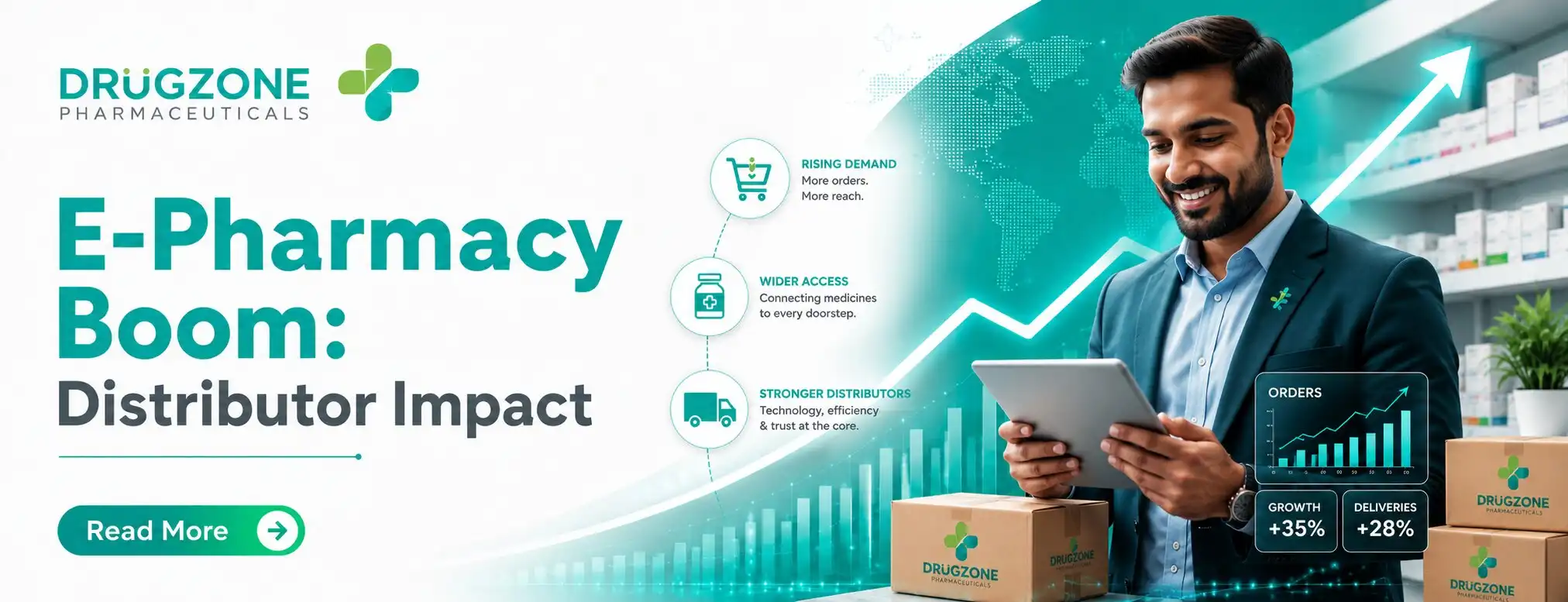
The healthcare industry in the United States has experienced significant changes in the way medications are purchased, managed, and delivered. One of the most notable developments in recent years has been E-pharmacy growth, which has expanded access to prescription medications through online platforms and home delivery services.
Consumers increasingly value convenience, price transparency, and digital access to healthcare services. As a result, e-pharmacies have become an important part of the pharmaceutical supply chain. While this shift creates new opportunities for patients and healthcare providers, it also raises important questions about the future role of traditional pharmaceutical distributors.
Understanding how e-pharmacies are influencing purchasing patterns, logistics, and supply chain management is essential for distributors seeking to remain competitive in a rapidly changing market.
Understanding the Rise of E-Pharmacies in the USA
E-pharmacies are online platforms that allow consumers and healthcare providers to order prescription and over-the-counter medications through websites or mobile applications. These platforms often integrate prescription management, telehealth services, payment processing, and home delivery into a single experience.
The concept gained momentum long before the COVID-19 pandemic, but the public health crisis accelerated consumer acceptance of remote healthcare services. Patients who became accustomed to digital healthcare interactions have continued to use online pharmacy services even after in-person healthcare access returned to normal.
Today, e-pharmacies serve various segments of the healthcare market, including:
- Chronic disease patients requiring recurring prescriptions
- Individuals in rural or underserved areas
- Elderly patients with mobility challenges
- Consumers seeking medication price comparisons
- Healthcare providers managing prescription fulfillment remotely
As consumer expectations continue to evolve, E-pharmacy growth is expected to remain an influential force within the pharmaceutical sector.
Key Factors Driving E-Pharmacy Growth
Several factors are contributing to the continued expansion of online pharmacy services across the United States.
Increased Consumer Convenience
Patients can order medications from home without visiting a physical pharmacy. Prescription refills, automated reminders, and home delivery simplify medication management.
Expansion of Telehealth Services
The growth of telemedicine has created a natural connection between virtual consultations and online prescription fulfillment. Patients can receive medical advice and obtain medications through integrated digital channels.
Price Transparency
Many e-pharmacy platforms allow consumers to compare medication prices, identify available discounts, and review insurance coverage options before purchasing.
Improved Logistics Infrastructure
Advancements in warehousing, inventory management, and shipping capabilities have enabled faster and more reliable medication delivery.
Growing Digital Adoption
Consumers across all age groups are becoming more comfortable using digital healthcare services, contributing to sustained E-pharmacy growth throughout the country.
How E-Pharmacies Are Changing Pharmaceutical Distribution
The rise of e-pharmacies is influencing the pharmaceutical supply chain in several important ways.
Higher Demand for Direct-to-Patient Delivery
Traditional distribution models often focused on supplying retail pharmacies, hospitals, and healthcare facilities. E-pharmacies introduce greater demand for direct-to-patient fulfillment and last-mile delivery services.
Faster Inventory Turnover
Online platforms rely on real-time inventory visibility and rapid order processing. This places increased pressure on distributors to maintain accurate stock levels and efficient replenishment systems.
Data-Driven Supply Chain Management
E-pharmacies generate large volumes of purchasing and prescription data. These insights help improve forecasting, inventory planning, and product availability.
Expanded Geographic Reach
Online pharmacy platforms can serve customers across wide geographic areas, creating opportunities for distributors to support broader networks than traditional local pharmacy channels.
As a result, many pharmaceutical wholesale distributors in the USA are evaluating how their existing operations can support digital medication fulfillment models while maintaining regulatory compliance.
Challenges Faced by Traditional Pharmaceutical Distributors
Although e-pharmacies create new possibilities, they also introduce several challenges for traditional distributors.
Increased Competitive Pressure
Online pharmacy providers often compete on convenience and pricing. Distributors must adapt to changing customer expectations while maintaining service quality.
Complex Logistics Requirements
Direct-to-patient fulfillment requires different logistics capabilities compared to bulk shipments delivered to healthcare facilities.
Key challenges include:
- Smaller shipment sizes
- Higher order volumes
- Faster delivery expectations
- Increased tracking requirements
- Temperature-sensitive product handling
Technology Investment Requirements
Modern pharmaceutical distribution increasingly depends on:
- Inventory management systems
- Real-time order tracking
- Supply chain visibility tools
- Data analytics capabilities
Distributors that delay technology investments may struggle to meet evolving customer demands.
Regulatory Compliance Responsibilities
Despite changing distribution models, compliance obligations remain unchanged. Distributors must continue adhering to requirements related to:
- Drug Supply Chain Security Act (DSCSA)
- FDA regulations
- Product tracing requirements
- Controlled substance monitoring
- Product authentication processes
New Opportunities for Traditional Distributors
While some view e-pharmacies as competitors, they can also become valuable business partners.
Supplying E-Pharmacy Networks
Many online pharmacy providers rely on established distributors for inventory sourcing, warehousing, and fulfillment support.
Specialized Distribution Services
Distributors can provide expertise in handling:
- Specialty pharmaceuticals
- Biologics
- Cold-chain products
- Controlled substances
- Animal health products
These areas often require capabilities that extend beyond standard e-commerce operations.
Value-Added Supply Chain Support
Traditional distributors can strengthen relationships by offering:
- Inventory forecasting
- Regulatory guidance
- Product sourcing assistance
- Recall management support
- Compliance documentation
Expansion into Hybrid Distribution Models
Many distributors are adopting hybrid approaches that support both healthcare facilities and direct-to-patient channels.
This flexibility allows organizations to participate in E-pharmacy growth without abandoning their existing customer base.
How Distributors Can Adapt to Market Changes
Successfully adapting to industry changes requires strategic planning and operational flexibility.
Invest in Technology
Modern distribution networks benefit from systems that improve:
- Inventory visibility
- Order accuracy
- Shipment tracking
- Forecasting capabilities
Strengthen Compliance Programs
As supply chains become more complex, maintaining regulatory compliance becomes even more important.
Organizations should regularly review:
- DSCSA requirements
- Product verification procedures
- Supplier qualification processes
- Documentation standards
Develop Strategic Partnerships
Collaboration between distributors, healthcare providers, manufacturers, and e-pharmacies can improve supply chain efficiency and medication availability.
Focus on Service Reliability
Reliable product availability remains one of the most important factors in pharmaceutical distribution.
Healthcare organizations depend on distributors that can consistently provide:
- Authentic products
- Accurate deliveries
- Timely fulfillment
- Regulatory compliance support
For this reason, many pharmaceutical wholesale distributors in the USA are expanding their operational capabilities while maintaining their core focus on supply chain reliability.
The Future of Pharmaceutical Distribution in the USA
The future of pharmaceutical distribution will likely involve a combination of traditional and digital channels rather than one replacing the other.
Several trends are expected to influence the market:
- Continued expansion of online pharmacy services
- Greater integration between telehealth and prescription fulfillment
- Increased use of supply chain analytics
- Enhanced product traceability requirements
- Growing demand for specialty pharmaceutical distribution
- Expanded home delivery services
As these developments continue, successful distributors will be those that balance efficiency, compliance, and customer service.
The pharmaceutical supply chain remains a highly regulated environment where reliability and product integrity are essential. Organizations that adapt thoughtfully to industry changes will be better positioned to support healthcare providers and patients alike.
Conclusion
E-pharmacy growth is reshaping how medications are purchased, distributed, and delivered throughout the United States. While online pharmacy platforms are changing customer expectations and supply chain requirements, they do not eliminate the need for experienced pharmaceutical distributors. Instead, they create new opportunities for collaboration, operational improvement, and expanded service offerings.
Experienced distributors continue to play a critical role in ensuring medication availability, maintaining regulatory compliance, and supporting healthcare providers across the country. Companies such as Drugzone contribute to both pharmaceutical and animal health distribution by focusing on product authenticity, supply chain integrity, and adherence to industry regulations. As the market continues to evolve, distributors with strong compliance programs and dependable distribution networks can help healthcare organizations navigate change while maintaining consistent access to essential medications.
FAQs
1. What is an e-pharmacy?
An e-pharmacy is an online platform that allows consumers to order prescription and over-the-counter medications digitally, often with home delivery and prescription management services.
2. How does e-pharmacy growth affect pharmaceutical distributors?
E-pharmacy growth increases demand for faster fulfillment, direct-to-patient delivery, improved inventory visibility, and advanced logistics capabilities within pharmaceutical distribution networks.
3. Are e-pharmacies subject to the same regulations as traditional pharmacies?
Yes. E-pharmacies must comply with applicable federal and state regulations, including FDA requirements, prescription verification standards, and drug supply chain regulations.
4. What role do distributors play in the pharmaceutical supply chain?
Distributors help source, store, manage, and transport pharmaceutical products from manufacturers to pharmacies, hospitals, clinics, and other healthcare providers while ensuring compliance and product integrity.
5. What trends are expected to shape the future of pharmaceutical distribution?
Key trends include continued e-pharmacy adoption, telehealth integration, increased supply chain visibility, enhanced traceability requirements, specialty drug distribution growth, and expanded home delivery services.
Article Author

Binu .B RPH
President
With more than 20 years of experience in the pharmaceutical wholesale sector, I have Founded and managed several companies, including a pharmaceutical wholesale company, a compounding/retail pharmacy,and many more. As the president of Drugzone Pharmaceuticals Inc., I develop new business and maintain existing business relationships.
Tags
Latest Posts
-
Schedule II vs Schedule III drugs: what distributors need to know about DEA rules
-

PBM Reform 2026: How the New Rebate Pass-Through Law Affects Distributors
-
Why Pharmaceutical Companies Are Moving Away From Mega Warehouses
-

Oncology Drug Distribution Trends in 2026
-

The Death of the 'Mega-Warehouse': The Rise of Micro-Distribution Hubs
Similar Posts
-
Schedule II vs Schedule III drugs: what distributors need to know about DEA rules
-
Why Pharmaceutical Companies Are Moving Away From Mega Warehouses
-

Understanding the Penalties: What Happens if You Fail a DSCSA Audit in 2026?
-

Top 10 Benefits of Bulk Purchasing from Pharmaceutical Distributors
-

How Temperature Excursions Are Managed During Drug Shipping