Posted On: May 25, 2026
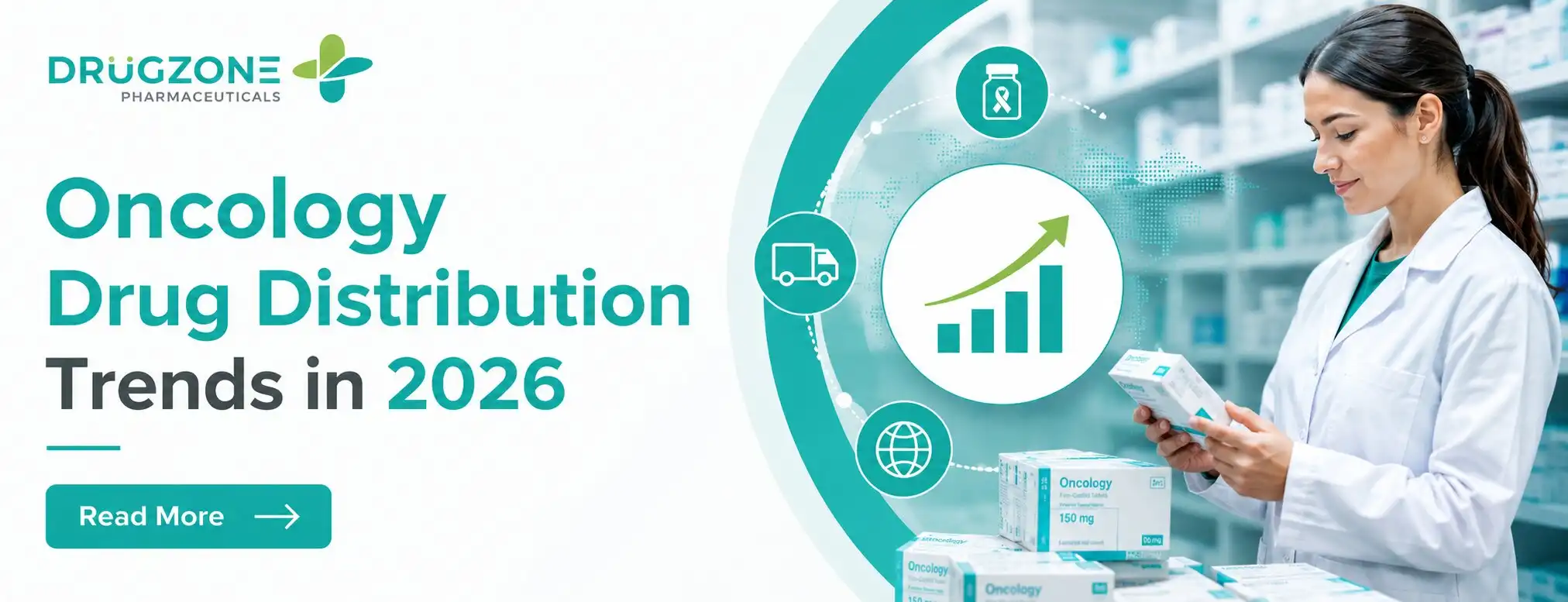
Oncology Drug Distribution Trends in 2026
The oncology pharmaceutical sector continues to grow as cancer treatment demand increases worldwide. In 2026, oncology drug distribution is becoming more specialized, compliance-focused, and patient-centered. With high-value medications, strict storage requirements, and growing regulatory expectations, distributors play a critical role in ensuring safe and timely delivery of oncology products.
This blog explores the major oncology drug distribution trends shaping the pharmaceutical industry in 2026 and what they mean for healthcare providers, manufacturers, and distributors.
Growing Demand for Oncology Medications
Cancer cases continue to rise globally, increasing the need for advanced oncology treatments. This demand is driving changes in pharmaceutical distribution systems.
Key factors contributing to growth include:
- Increased cancer diagnosis rates
- Wider access to targeted therapies
- Growth in biologics and specialty drugs
- Expansion of personalized treatment plans
As a result, every drug distributor involved in oncology products must improve operational efficiency and compliance standards.
Rise of Specialty Oncology Drugs
Specialty oncology medications now represent a significant portion of the pharmaceutical market.
These drugs often require:
- Temperature-controlled storage
- Secure transportation
- Strict inventory monitoring
- Faster delivery timelines
Unlike traditional pharmaceuticals, oncology products are highly sensitive and expensive, making distribution more complex.
Greater Focus on Cold Chain Management
Cold chain logistics remain one of the biggest priorities in oncology distribution.
Many oncology therapies require controlled temperatures throughout transportation and storage. Even slight temperature variations can compromise product quality.
Important cold chain practices include:
- Real-time temperature monitoring
- Validated storage systems
- Insulated transportation packaging
- Continuous shipment tracking
For a pharma wholesaler, maintaining cold chain integrity is essential to ensure product safety and regulatory compliance.
Increased Regulatory Oversight
Regulatory authorities continue to strengthen oversight within the pharmaceutical supply chain.
The U.S. Food and Drug Administration and other global agencies are emphasizing:
- Product traceability
- Serialization compliance
- Secure handling procedures
- Verification of trading partners
Distributors handling oncology products must maintain accurate documentation and follow strict compliance procedures.
Expansion of Personalized Medicine
Personalized oncology treatments are changing distribution requirements.
These therapies are often:
- Patient-specific
- Produced in smaller batches
- Delivered directly to treatment centers
This creates a need for:
- Faster coordination
- More accurate shipment scheduling
- Reduced delivery delays
Distribution networks must become more responsive to support personalized treatment timelines.
Increased Adoption of Real-Time Tracking Systems
Visibility across the supply chain has become more important in 2026.
Distributors are increasingly using systems that provide:
- Shipment tracking
- Inventory visibility
- Expiry monitoring
- Batch-level traceability
These systems help reduce errors and improve accountability throughout the distribution process.
Inventory Optimization Becomes Critical
Oncology drugs are high-cost products, making inventory management extremely important.
Poor inventory practices can lead to:
- Expired medications
- Product shortages
- Financial losses
- Treatment delays
To avoid these issues, distributors are focusing on:
- Demand forecasting
- Real-time inventory updates
- Automated stock alerts
- Better warehouse coordination
Every drug distributor handling oncology products must maintain precise inventory control to minimize waste and ensure product availability.
Growing Role of Specialty Pharmacies
Specialty pharmacies are playing a larger role in oncology care delivery.
These pharmacies often provide:
- Direct patient support
- Medication counseling
- Coordinated treatment management
As a result, distributors are working more closely with specialty pharmacy networks to ensure timely and accurate product delivery.
Faster Delivery Expectations
Healthcare providers now expect faster and more reliable delivery services for oncology medications.
Delays can affect patient treatment schedules, making speed and accuracy essential.
Distributors are improving:
- Route planning
- Warehouse operations
- Delivery coordination
- Emergency shipment handling
For a pharma wholesaler, efficient logistics have become a key competitive factor in oncology distribution.
Focus on Risk Management and Supply Chain Security
Supply chain disruptions over recent years have increased the focus on risk management.
Key concerns include:
- Product shortages
- Transportation disruptions
- Counterfeit drug risks
- Regulatory non-compliance
To address these risks, distributors are strengthening:
- Supplier relationships
- Backup inventory planning
- Product verification systems
- Compliance monitoring
Sustainability in Oncology Distribution
Sustainability is becoming an important consideration in pharmaceutical logistics.
Many companies are working to reduce:
- Packaging waste
- Transportation inefficiencies
- Energy consumption in warehouses
Although compliance and product safety remain the top priorities, environmentally responsible practices are receiving greater attention.
Challenges Facing Oncology Drug Distribution
Despite advancements, several challenges remain:
- Rising transportation costs
- Complex regulatory requirements
- Managing high-value inventory
- Maintaining cold chain integrity
- Handling personalized therapies efficiently
Distributors need to strengthen their systems and refine operational procedures to manage these challenges more efficiently.
Future Outlook for Oncology Distribution
The oncology distribution sector is expected to continue evolving with:
- Greater automation in warehousing
- Improved serialization systems
- More integrated tracking technologies
- Stronger coordination between healthcare providers and distributors
Companies that invest in operational accuracy, compliance, and supply chain reliability will be better positioned to support the growing demand for oncology treatments.
Conclusion
Oncology drug distribution in 2026 requires precision, compliance, and efficient logistics management. As therapies become more specialized and patient-focused, distributors play a critical role in ensuring safe and timely access to medications.
Businesses partnering with dependable drug distributor networks and trusted pharma wholesaler providers are better equipped to handle the operational and regulatory demands of oncology supply chains.
Drugzone supports quality-focused pharmaceutical distribution practices by emphasizing compliance, product handling standards, and efficient supply chain operations. Their commitment to reliability and proper distribution processes helps strengthen the safe movement of pharmaceutical products across healthcare networks.
FAQs
1. Why is cold chain management important in oncology drug distribution?
Many oncology medications are temperature-sensitive and require controlled storage and transportation to maintain product effectiveness and safety.
2. What challenges do distributors face with oncology drugs?
Common challenges include strict storage requirements, regulatory compliance, inventory management, and ensuring timely deliveries.
3. How does serialization help oncology drug distribution?
Serialization improves traceability by assigning unique identifiers to products, helping prevent counterfeit drugs and improving supply chain transparency.
Article Author

Binu .B RPH
President
With more than 20 years of experience in the pharmaceutical wholesale sector, I have Founded and managed several companies, including a pharmaceutical wholesale company, a compounding/retail pharmacy,and many more. As the president of Drugzone Pharmaceuticals Inc., I develop new business and maintain existing business relationships.
Tags
Latest Posts
-
How the Medicare drug price negotiation of 2026 is affecting LTC pharmacy supply and reimbursement
-
Same-day and next-day drug delivery: what independent pharmacies should expect from distributors
-
E-pharmacy growth and what it means for traditional pharmaceutical distributors in the USA
-
Schedule II vs Schedule III drugs: what distributors need to know about DEA rules
-

PBM Reform 2026: How the New Rebate Pass-Through Law Affects Distributors